
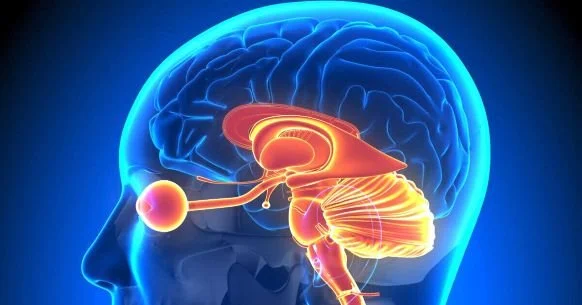
Brainspotting in Therapy: A Path to Emotional Wellness and Healing Trauma
Some experiences are hard to explain with words, especially when trauma is held deeply in the body and nervous system. This article explores Brainspotting as a gentle and focused therapy approach that helps people process unresolved distress by working with the brain’s natural ability to heal, reorganize, and move toward greater emotional well-being.

Kindness and Humility: Foundations of Positive Mental Health
Kindness and humility may seem simple, but they can have a meaningful impact on how we feel, how we connect, and how we move through the world. This article reflects on why these quiet strengths matter for mental health, especially in a culture that often encourages comparison, performance, and self-promotion over compassion and genuine connection.

Complex Trauma: Understanding CPTSD and the Path to Healing
Complex trauma can shape the way a person feels about themselves, connects with others, and experiences safety in everyday life. Unlike trauma from a single event, complex trauma often develops over time through repeated experiences of harm, neglect, instability, or fear. This article offers a compassionate introduction to what complex trauma is, how it can show up in daily life, and why healing begins with safety, support, and understanding.
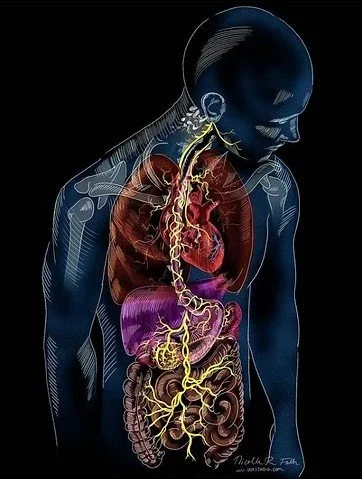
The Vagus Nerve: A Guide to Calm and Nervous System Regulation
The vagus nerve plays a powerful role in how the body experiences stress, safety, and calm. This article offers an approachable introduction to Polyvagal Theory and explains how the nervous system shifts between protection and connection. It also explores how simple practices can support regulation, strengthen the body’s capacity for calm, and help us feel more grounded in daily life.

Eye Movements for Anxiety: How the Eyes Can Help Calm the Nervous System
Anxiety can change more than how we feel; it can also change how we focus, scan, and take in the world around us. This article explores the connection between the eyes and the nervous system, and explains how gentle eye-based practices may help the body soften out of stress and return toward a calmer state.
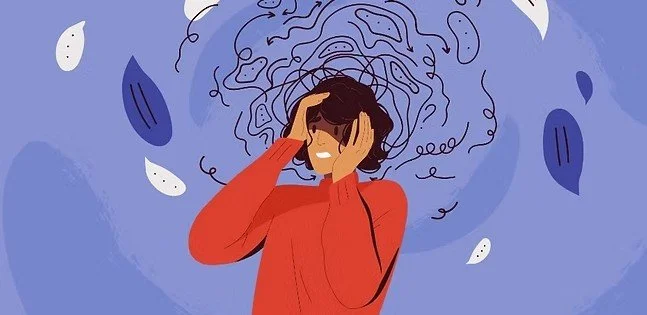
Allostatic Overload: How Chronic Stress Affects the Body and Mind
Chronic stress can quietly wear down the body long before we recognize how much we have been carrying. This article explains allostatic overload, the point where the body’s stress response has been activated for too long and begins to affect our ability to recover, feel steady, and return to balance.