

LPC • CSAC • ICS
Walk of Life Counseling, LLC
Green Lake, WI • Telehealth Statewide
A Little About Me
My path to being a psychotherapist wasn't a straight line. Over more than 30 years, I've worked in military service, corrections, correctional forensics, and crisis intervention. Along the way, I've sat with people in some of the most difficult circumstances human beings face, at home and abroad, in settings that don't leave much room for anything but honesty.
That history shapes how I work. While I truly value what the literature brings to this work, I draw just as heavily, maybe more so in some cases, on lived experience alongside people who've carried some of the hardest things. I view life and psychotherapy through a humanistic lens, which means I start with you as a person, not a diagnosis.
Trauma sits at the center of much of my work. I work with first responders, veterans, and people who've lived through awful and extraordinary things. But people come to me for many reasons: anxiety, depression, relationship difficulties, substance use, life transitions, and more. Whatever brings you here, I'll be straight with you about whether I can help, and if I'm not the right fit, I'll say so and help you find someone who is.
My primary approach is grounded in neurosomatic psychotherapy, which means we're working with the whole person, including the body, brain, and nervous system, not just talking about it. But every client is different, and your treatment plan will be tailored to your specific strengths, needs, and goals, drawing on a range of evidence-based approaches.
I see clients in person at my office in Green Lake, Wisconsin, and via telehealth throughout the state.
Credentials matter. You'll find mine below.
If you think I might be a fit, reach out through whatever method feels safest or most convenient for you.
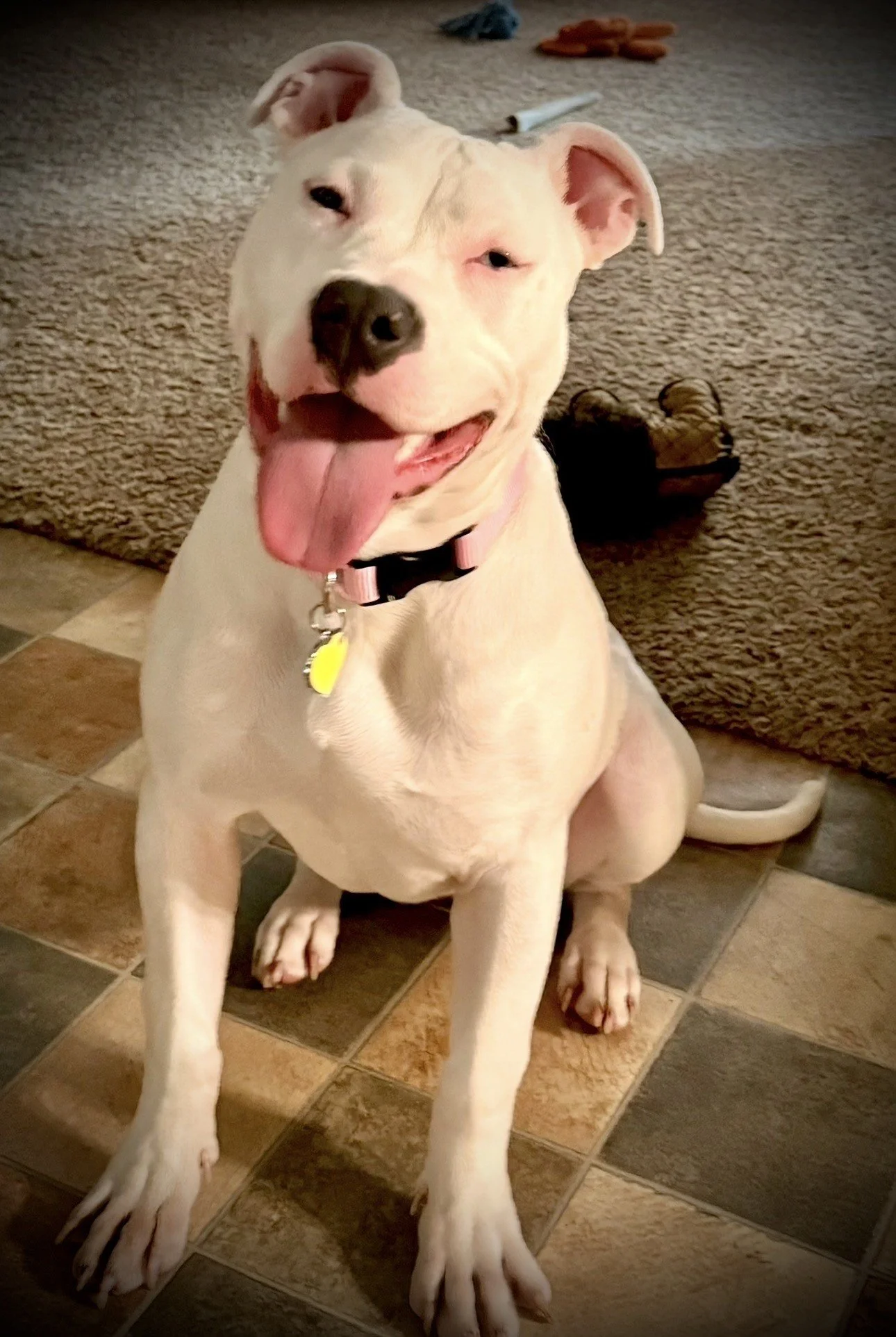
Happy Mazie and her toys.
Outside the Office
Outside of work, I spend most of my time with my wife and our dog, Mazie. We travel when we can, and when we're home, I'm usually mountain biking, reading, writing, or building apps like the BLS tool on this site.
Education
Licensure and Certification
Professional Memberships
Specialized Training
Current Work and Research
I'm currently a doctoral student at Mount Mary University, where my research focuses heavily on trauma and trauma counseling.
In doctoral training, I'm developing the Avoidance Reinforcement Trap model, a theoretical framework for understanding how avoidance maintains trauma responses, along with associated novel psychometric assessment instruments currently in development.
I've also worked to influence systems beyond the therapy room throughout my career in corrections and civil service, including policy and program work that supported improved crisis response and programming.